





-
Japanese Stainless Steel Santoku Knife – Poplar Handle
Regular price CHF 35.00Regular priceUnit price per -
Japanese fruit knife
Regular price CHF 29.00Regular priceUnit price per -
Japanese knife "Deba"
Regular price CHF 31.50Regular priceUnit price per -
Japanese knife "Nakiri"
Regular price CHF 53.00Regular priceUnit price per -
Japanese fruit knife
Regular price CHF 22.50Regular priceUnit price per -
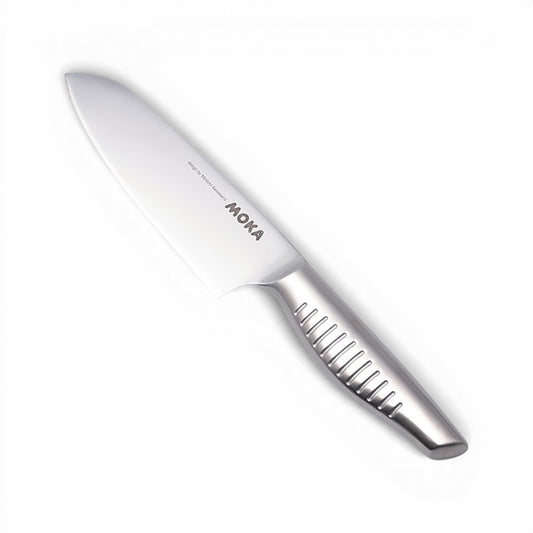
Small Japanese Santoku knife
Regular price CHF 156.80Regular priceUnit price per -
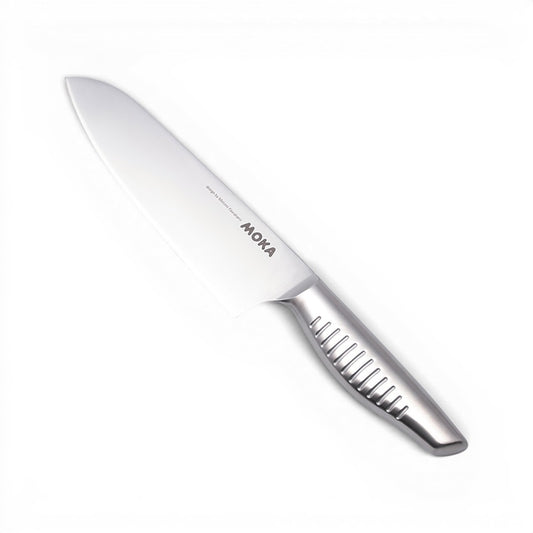
Japanese santoku knife
Regular price CHF 168.00Regular priceUnit price per





Discovery To discover
-
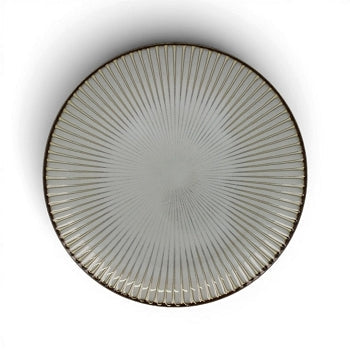
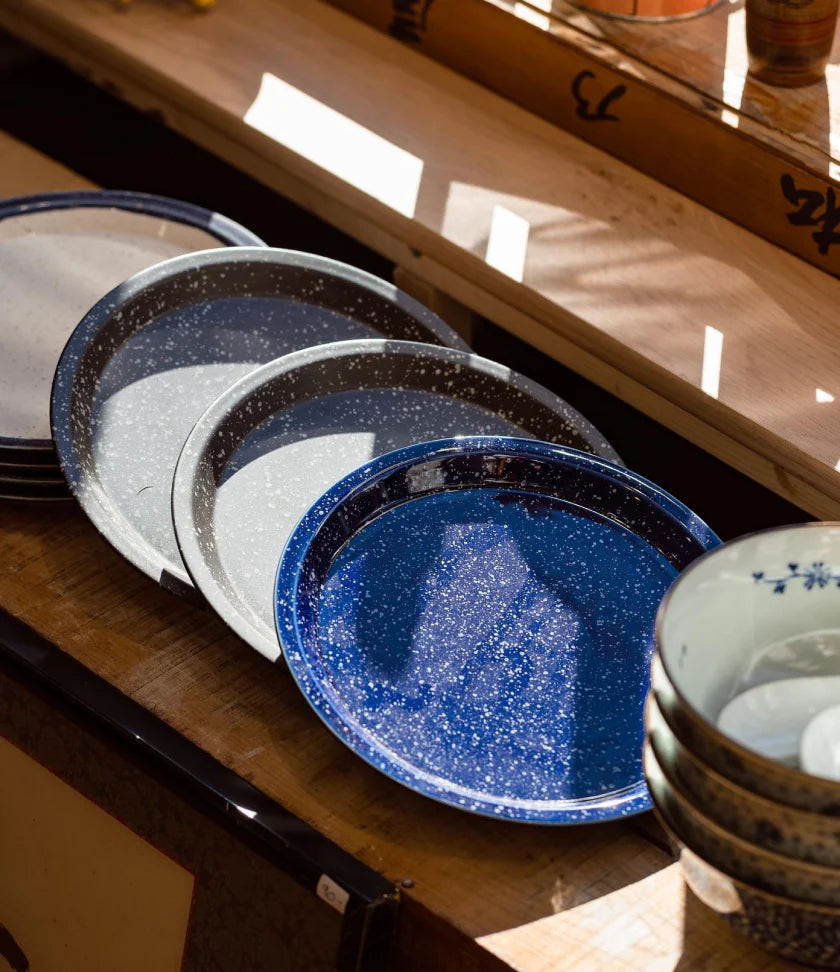
Plates, Dishes and Small Bowls
In Japan, not everything is served on the same plate. A meal...
-
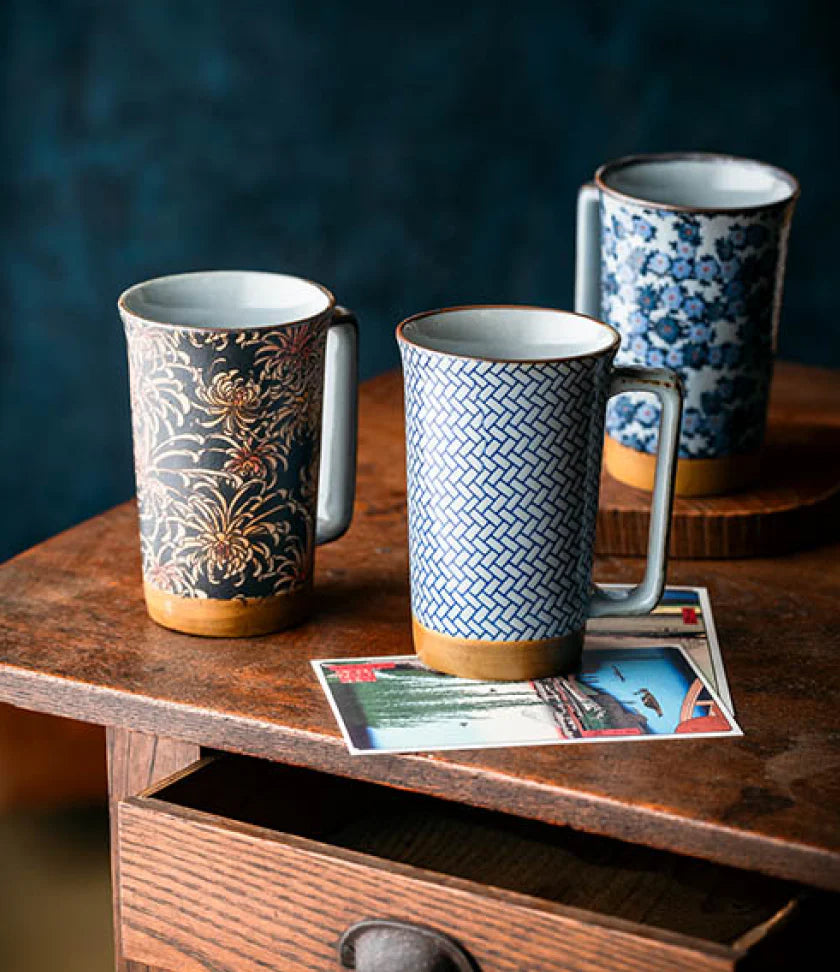
Mugs and Teacups
In Japan, tea is drunk throughout the day, and every moment has...
-

Bowls and Salad Bowls
In Japan, everyone has their own bowl. The rice bowl, the chawan,...
Our Japanese knives come from Seki, in Gifu Prefecture, a town with a long cutlery tradition, once known for its swords. Their blades are stainless steel, from 90 to 180 mm depending on the model.
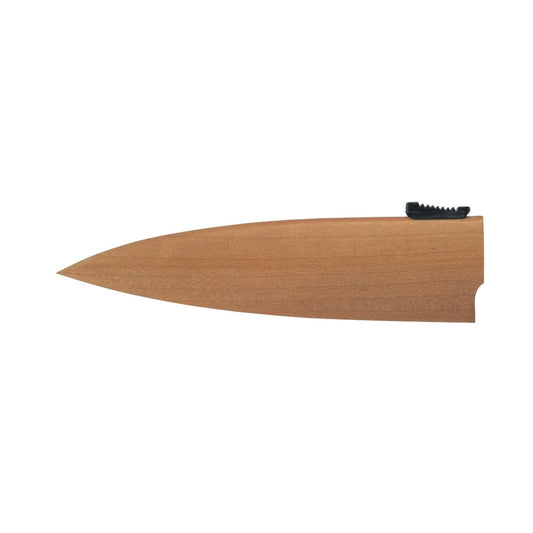
Each shape has its use. The santoku, whose name means “three uses”, cuts meat, fish and vegetables. The nakiri, with its straight rectangular blade, is the Japanese vegetable knife. The deba, with its thick pointed blade, is used to prepare fish. There is also a paring knife for peeling and trimming, and a small fruit knife delivered with its sheath.
Japanese santoku knife, nakiri knife, deba knife or Japanese kitchen knife to give: some have a poplar or cherry wood handle, others are all stainless steel, blade and handle in one piece.
Knives with wooden handles are washed by hand, not in the dishwasher, and dried straight away. All-stainless steel knives are dishwasher safe.


