






-
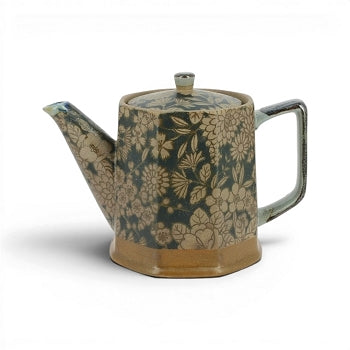
Japanese Rappa ceramic teapot with floral pattern
Regular price CHF 55.00Regular priceUnit price per -
Aranami Japanese Ceramic Teapot Set with 2 Cups
Regular price CHF 84.00Regular priceUnit price per -
Tokoname Sakura Teapot - Natural Clay Handmade
Regular price CHF 60.00Regular priceUnit price per -
Tokoname kyusu teapot, red with engraved peony
Regular price CHF 63.00Regular priceUnit price per -
Ribbed Japanese kyusu tea set – Teapot and 5 cups
Regular price CHF 119.00Regular priceUnit price per -
Red tokoname teapot
Regular price CHF 59.00Regular priceUnit price per -
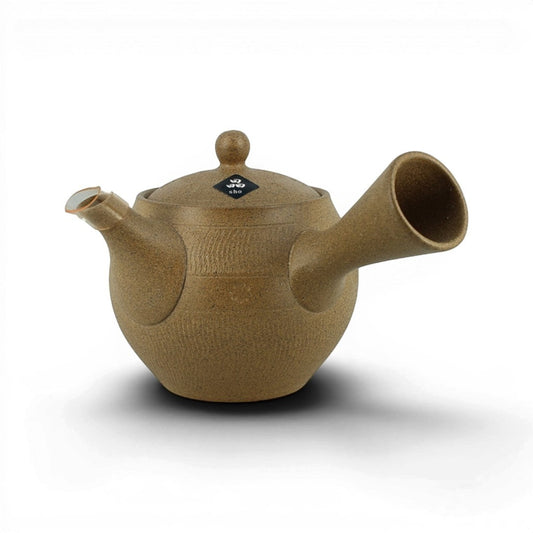
Raw tokoname teapot
Regular price CHF 60.00Regular priceUnit price per -
Tokoname teapot lavender line
Regular price CHF 72.00Regular priceUnit price per -
Set of 5 cups with taketokusa teapot
Regular price CHF 51.00Regular priceUnit price perCHF 71.00Sale price CHF 51.00Sale -
Japanese cast iron fish teapot
Regular price CHF 129.00Regular priceUnit price per -
Japanese cast iron teapot with sakura
Regular price CHF 129.00Regular priceUnit price per -
Japanese cast iron teapot
Regular price CHF 129.00Regular priceUnit price per -
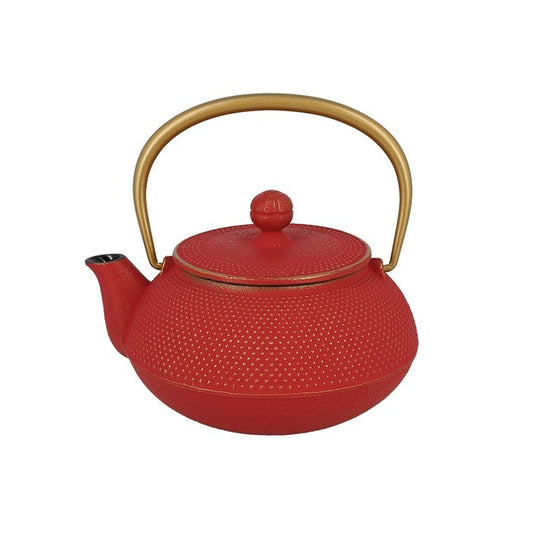
Arare Japanese cast iron teapot
Regular price CHF 130.00Regular priceUnit price per -
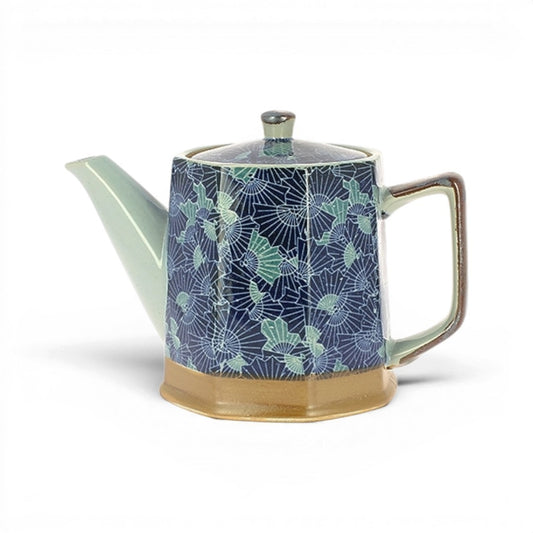
Fan teapot
Regular price CHF 52.00Regular priceUnit price per -
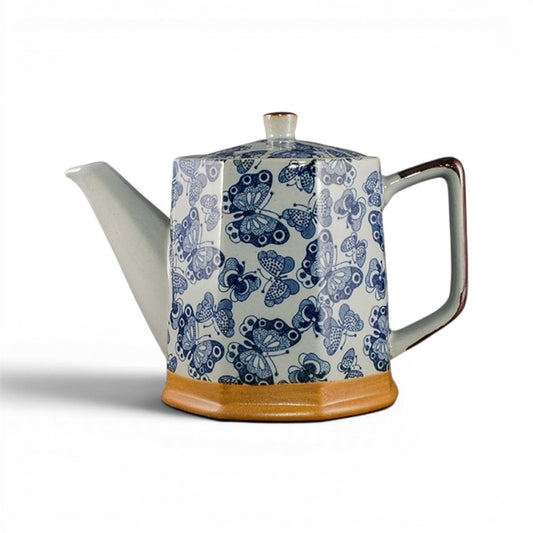
Faceted Japanese teapot with blue butterflies
Regular price CHF 51.00Regular priceUnit price per








発見 To discover
-
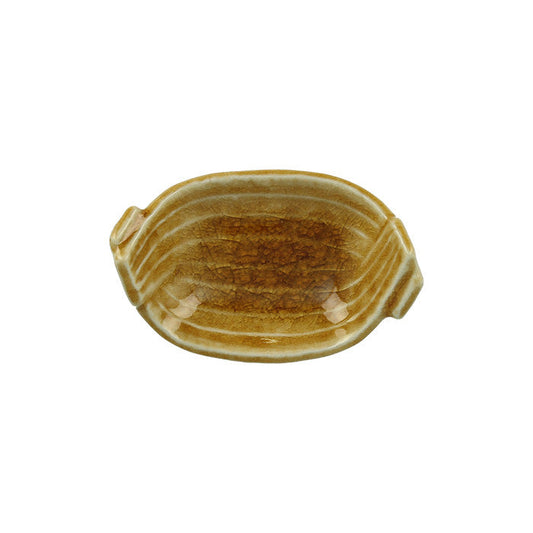
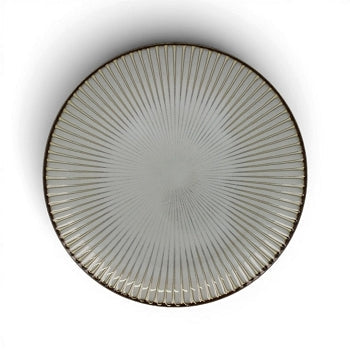
Plates, Dishes and Small Bowls
In Japan, not everything is served on the same plate. A meal...
-
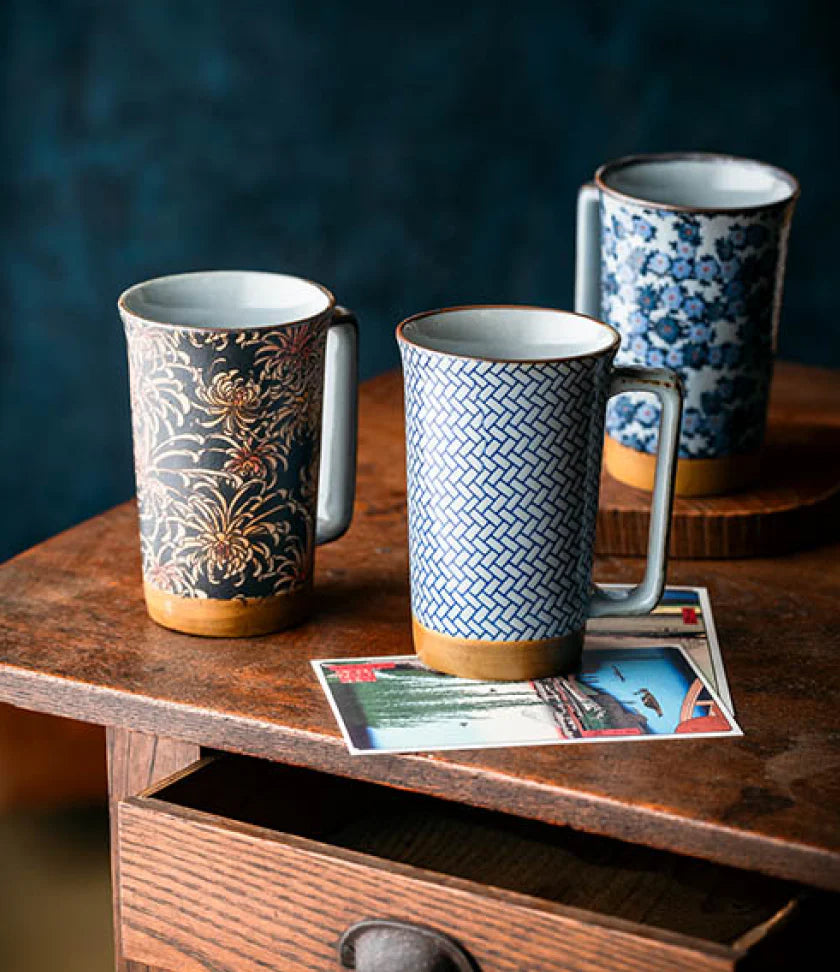
Mugs and Teacups
In Japan, tea is drunk throughout the day, and every moment has...
-

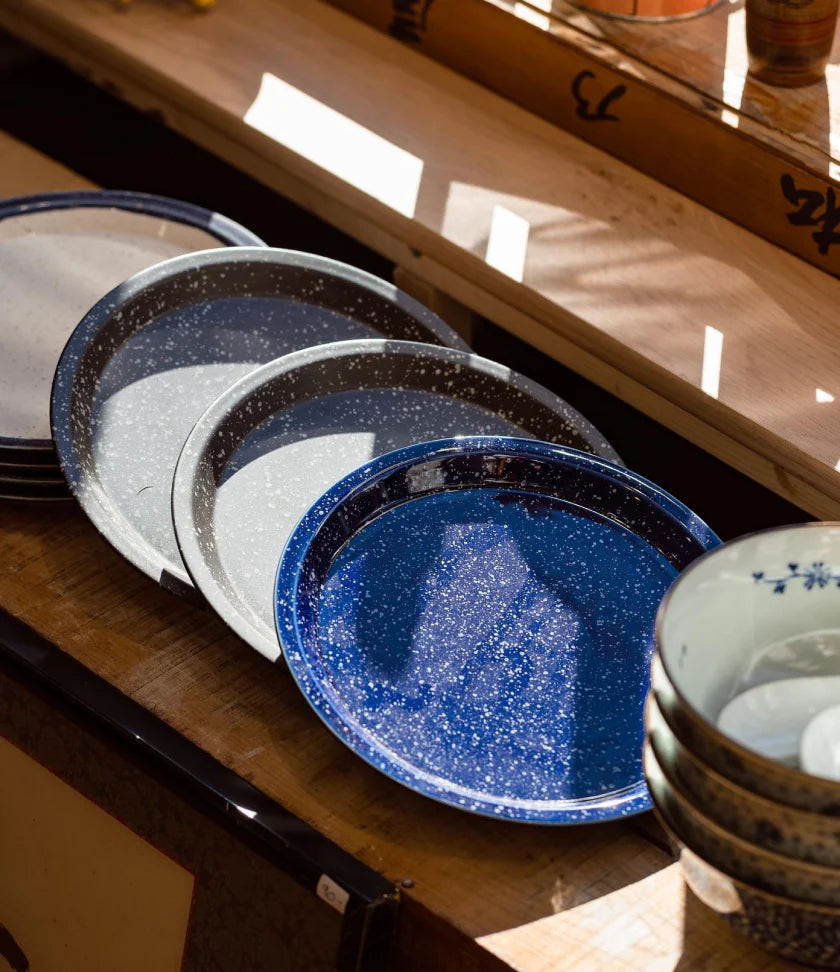
Bowls and Salad Bowls
In Japan, everyone has their own bowl. The rice bowl, the chawan,...
A Japanese teapot is chosen according to the tea you love and the way you serve it. Our collection brings together three families, all made in Japan.
Cast iron teapots come from Morioka, in Iwate Prefecture, where Nanbu tekki, the local cast iron, has been worked since the 17th century. Heavy and stable, they retain heat well. Their interior is enamelled and they come with a removable stainless steel strainer. Their relief decorations feature classic motifs: arare, small raised dots lined up like hailstones; cherry blossoms; small geometric flowers; kingyo goldfish, associated with summer. They hold 600 to 650 ml.
Kyusu come from Tokoname, in Aichi Prefecture, one of the six ancient kilns of Japan. Their side handle lets you pour with one hand, and a built-in strainer, ceramic or stainless steel depending on the model, holds back the leaves. In red, beige, brown or black clay, some are engraved with a peony or decorated with a weeping cherry tree. Holding 310 to 520 ml, they are the teapots for sencha and hojicha.
The Mino ceramic teapots, from the Toki and Tajimi area, have faceted sides and a foot left as raw brown clay. Their decorations vary: butterflies, fans, aranami waves, retro flowers. They hold about 500 ml, and several match our mugs. Some are sold as a tea set with their cups, such as the Taketokusa set in Hasami porcelain.
Care depends on the material. Cast iron is rinsed with clear water, without soap or abrasive sponge, then dried with the lid open; it is not suitable for the dishwasher, the microwave or direct heat. Tokoname teapots are washed by hand with clear water. Ceramic is washed by hand and can go in the microwave.
You can also discover some of our teapots in our shops in Geneva and Carouge.


