In Japan, people speak of monozukuri, the art of making things well. Many towns are associated with a speciality, to the point that their name alone evokes a type of object. Here are some of the regions our products come from.
Mino and Hasami: tableware
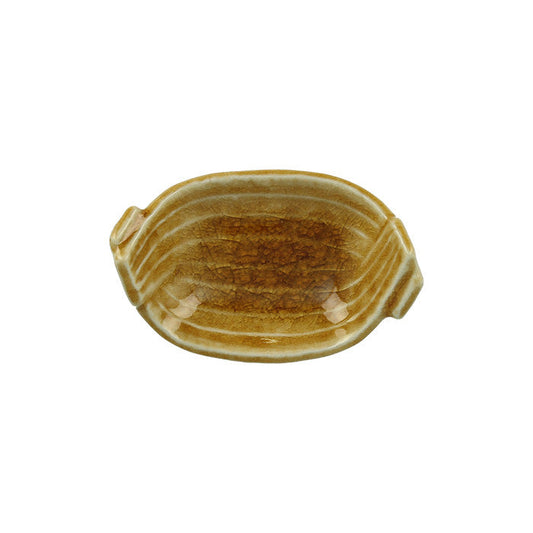
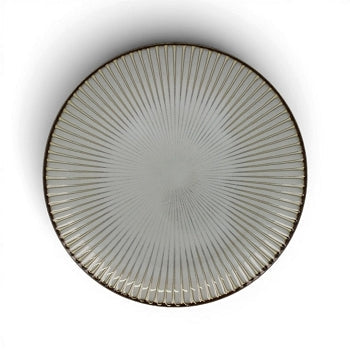
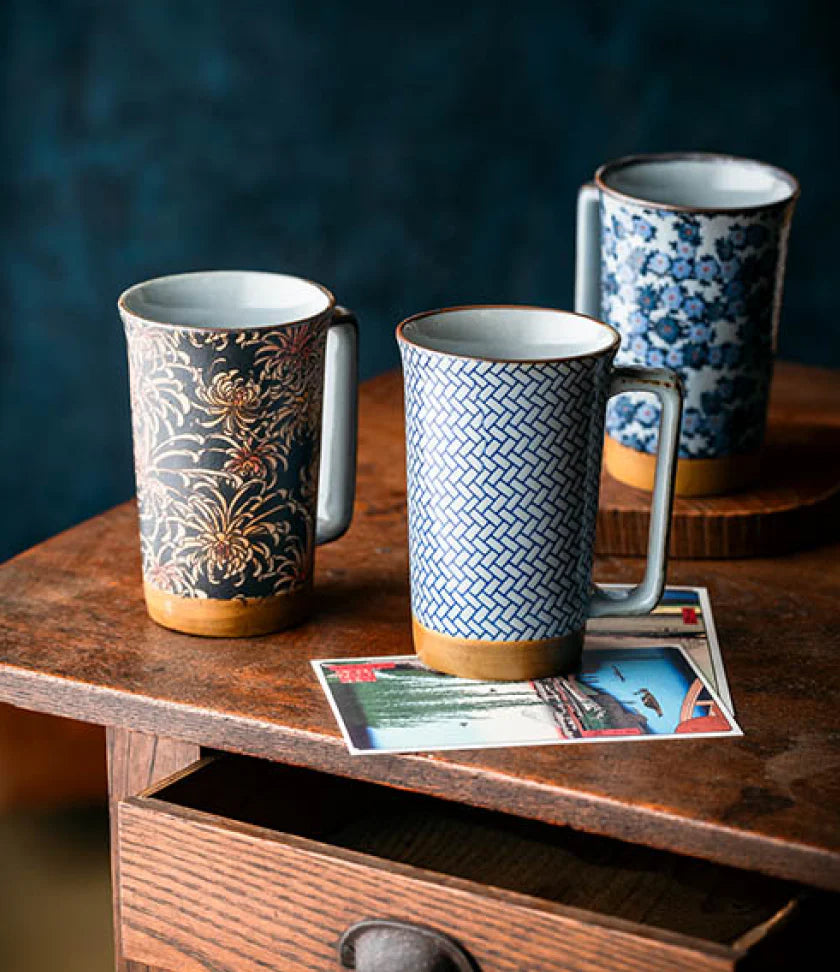
The Mino region, around Toki and Tajimi in Gifu Prefecture, is one of the largest tableware production regions in Japan. Hasami, in Nagasaki Prefecture, is known for its everyday porcelain. Most of our bowls, plates and cups come from there.
Tokoname: teapots
Tokoname, in Aichi Prefecture, is one of Japan's six ancient kilns. The town is renowned for its side-handled kyusu teapots.
Morioka: cast iron
In Morioka, in Iwate Prefecture, Nanbu tekki, the local cast iron, has been worked since the 17th century. It is used for teapots enamelled inside and for furin wind bells with a long, pure sound.
Seki: knives
Seki, in Gifu Prefecture, is a town with a long cutlery tradition, once known for its swords. Our santoku, nakiri and deba Japanese knives come from there.
Obama: chopsticks
Obama, in Fukui Prefecture, is renowned for its chopsticks. Most of our wooden chopsticks are made there.
Shizuoka and Kyoto
Shizuoka, a major green tea region, is also where our tinplate tea caddies come from. Kyoto, finally, is the home of our cotton yukata and happi jackets.
In Japan, many towns are known for a specific craft, passed down and refined over generations. Here are the regions our objects come from.
Crafts are elevated to the status of art in Japan, and those who practice them are honored and respected, sometimes even designated as "national treasures" for their contribution to the preservation of ancient traditions and refined techniques.
Crafts in this country fall into eight distinct categories, each representing a unique and respected area of expertise: ceramics, textiles, lacquerware, metalwork, doll making, woodworking, papermaking, and miscellaneous crafts. Each of these categories demonstrates the ingenuity and creativity of the Japanese people.
Allow us to introduce you to one of our favorite artisans, Masataka Okuda. Coming from a lineage of renowned artisans, Masataka represents the third generation of his family to carry on the legacy of craftsmanship. With his 80-year-old father and his mother, he works with passion in their workshop of more than 1000 square meters nestled in the heart of the hills, just 30 kilometers from "Toki City", nicknamed "The City of Ceramics". The company was founded by Masataka's grandfather in the early 1900s, and since then, the Okuda family has proudly continued the tradition and excellence of ceramic craftsmanship.